Uncover proof of TechGropse impact across 100+ digital deliveries for 25+ industries.

AI Modernisation Services: Rebuild Your Legacy Systems Around AI

Turn Legacy Systems Into AI-Ready Platforms – Without Downtime, Risk, or a Total Rebuild

TechGropse helps businesses modernise outdated software, infrastructure, and data systems into secure, scalable, AI-powered platforms built for what comes next. No big-bang rewrites. No months of downtime. Just a phased, proven path from legacy to AI-ready.

Trusted by businesses across financial services, retail, healthcare, manufacturing, and the public sector.

Book a Free Modernisation Consultation
clutch
google
ISO
TechBehemoths

Trusted by startups and Fortune 500 companies

Why Do Enterprises Need Legacy System Modernisation Now?

There's a specific kind of frustration that builds up inside a business once its own systems become the obstacle. Not the market. Not competitors. The software itself - the platform that takes six weeks to change something small, the reporting process that still runs through spreadsheets, the customer portal nobody wants to touch in case it breaks.

If any of the following sound familiar, your business is likely overdue for AI modernisation:

  • Small changes take weeks because no developer is confident enough to touch the underlying code
  • Data lives in disconnected systems, so basic reporting means manual exports and spreadsheet stitching
  • Every compliance review turns into a stressful scramble to prove what the system is actually doing
  • IT spend keeps climbing every year, while the actual user experience stays the same
  • Competitors are already using AI-driven forecasting, automation, or personalisation - and you can't currently match it without a major rebuild

None of this happens overnight. It builds up slowly, one workaround at a time, until the system that once supported the business becomes the thing actively working against it. AI modernisation exists to reverse that - not by adding an AI feature on top of the same old system, but by rebuilding the foundation so AI can actually function the way it's meant to.

A few pressures are making this particularly urgent for organisations specifically right now. Skilled engineers who understand legacy languages like COBOL or older .NET frameworks are retiring, and there's a shrinking pool of developers willing to learn a dying stack for a single legacy contract. Regulatory expectations under GDPR, FCA operational resilience rules, and NHS Digital standards increasingly assume a level of data traceability that older platforms were never built to provide. And the businesses that modernise now are setting a pace their competitors will eventually be forced to match, at a far higher cost, later.

formimg
Launch Your App & Unlock 30% Off

Speak With Our Experts

    Free Figma
    Designs
    Complimentary
    Roadmap
    AI Modernisation Solutions for Legacy Software

    Our AI Modernisation Solutions for Legacy Software

    AI modernisation is the process of transforming legacy applications, infrastructure, and data systems into modern, cloud-ready, AI-capable platforms. It's a phrase that gets used loosely across the industry, so it's worth being precise about what it actually involves.

    Genuine legacy system modernisation goes deeper than a surface-level upgrade. It typically covers:

    • Application modernisation - breaking monolithic, rigid systems into modular, API-first services that new tools can actually connect to
    • Data modernisation - cleaning, structuring, and consolidating data so it becomes something AI models can reliably use, rather than a barrier to using them at all
    • Cloud migration - moving workloads to AWS, Azure, or Google Cloud (or a hybrid approach)

    Our AI Modernisation Process

    We modernise legacy systems in structured phases, so your business keeps operating normally while the transformation happens underneath it. Nobody can afford six months of downtime, and your customers certainly can't either.
    1. Technical Audit & Discovery
    Before anything gets built, we map what's actually there - the existing architecture, the business logic buried in the code (which is often undocumented and only exists in the heads of long-serving staff), data quality issues, and any security or compliance gaps. We also spend time with the people who use the system daily, because operations and support teams usually know exactly where the pain points sit, even if nobody's formally asked them before.
    2. Modernisation Roadmap
    Based on the audit, we build a phased plan rather than a single high-risk migration. Some components genuinely need a full rebuild; others just need to be wrapped in modern APIs so they can connect to new tools without a ground-up rewrite. Priorities are set by business risk and value, so the systems causing the most cost or the most customer friction move first.
    3. AI-Ready Architecture
    This is where the system gets rebuilt to genuinely support AI, not just tolerate it. That means designing clean data pipelines, setting up cloud-native infrastructure that scales for AI workloads, and building the API layer that lets machine learning models or automation tools plug in securely.
    4. Build, With Continuous Testing
    Development happens in phases, with functional, performance, and regression testing built into every stage rather than left until the end. This is what prevents the most common modernisation failure: a system that technically works but breaks half the workflows nobody thought to test.
    5. Deployment & Handover
    Go-live is staged and closely monitored, backed by proper documentation and training for your internal team, because a modernised system that only our engineers understand hasn't actually solved your original problem.
    6. Ongoing Support & Iteration
    Modernisation isn't a single event with a finish line. We stay involved after launch to monitor performance, resolve issues, and extend AI capability as your business needs continue to evolve.

    The Real Cost of Delaying Modernisation

    Every year a legacy system stays in place, it becomes more expensive to run and harder to fix. The cost doesn't show up as one dramatic event - it shows up quietly, spread across a dozen small inefficiencies that compound over time.

    The Problem The Business Impact

    Ageing tech stack

    Fewer engineers want to work on it, making hiring slower and more expensive

    Manual, disconnected data

    Reporting takes days instead of minutes, and leadership decisions lag behind reality

    Outdated security posture

    Higher compliance risk under GDPR, FCA, and sector-specific regulation

    Rigid, monolithic architecture

    New features take months to ship instead of weeks

    High legacy licensing costs

    IT budget keeps growing without any real performance improvement

    Undocumented business logic

    Institutional knowledge walks out the door when key staff retire or leave

    None of these problems are visible on a single balance sheet line, which is exactly why they persist for so long. By the time the cumulative cost becomes obvious, the system is usually deeply entrenched in daily operations, making modernisation feel riskier than it actually is. In practice, the risk of doing nothing almost always outweighs the risk of a well-planned modernisation programme.

    AI MODERNISATION SERVICES

    What's Included in Our AI Modernisation Services

    From legacy systems to AI‑ready infrastructure – our modernisation services cover the full spectrum of transformation.

    01

    Legacy Application Modernisation

    Rebuilding or re‑platforming outdated applications – an old Java monolith, a PHP system from a decade ago, a bespoke platform nobody in‑house fully understands anymore – into modular, cloud‑ready services that are actually maintainable going forward.

    02

    Data Modernisation and AI Readiness

    Consolidating fragmented data sources, cleaning up inconsistent records, and building the pipelines that make AI tools genuinely useful, rather than feeding them unreliable or incomplete data.

    03

    Intelligent Process Automation

    Replacing manual, repetitive workflows – data entry, document processing, approvals, reconciliation – with automation that understands context, instead of brittle rule‑based scripts that break at the first unusual case.

    04

    Cloud Migration and Infrastructure Modernisation

    Moving workloads to AWS, Azure, or Google Cloud, or a hybrid setup where full migration isn't realistic yet, so systems can scale AI workloads up or down rather than being capped by on‑premise hardware.

    05

    AI Integration and Intelligence

    Once the foundation is solid, we build in the actual AI capability: predictive analytics, intelligent document processing, natural language interfaces, recommendation engines, or custom machine learning models – whichever genuinely moves the needle for your business rather than AI for its own sake.

    06

    Security and Compliance Hardening

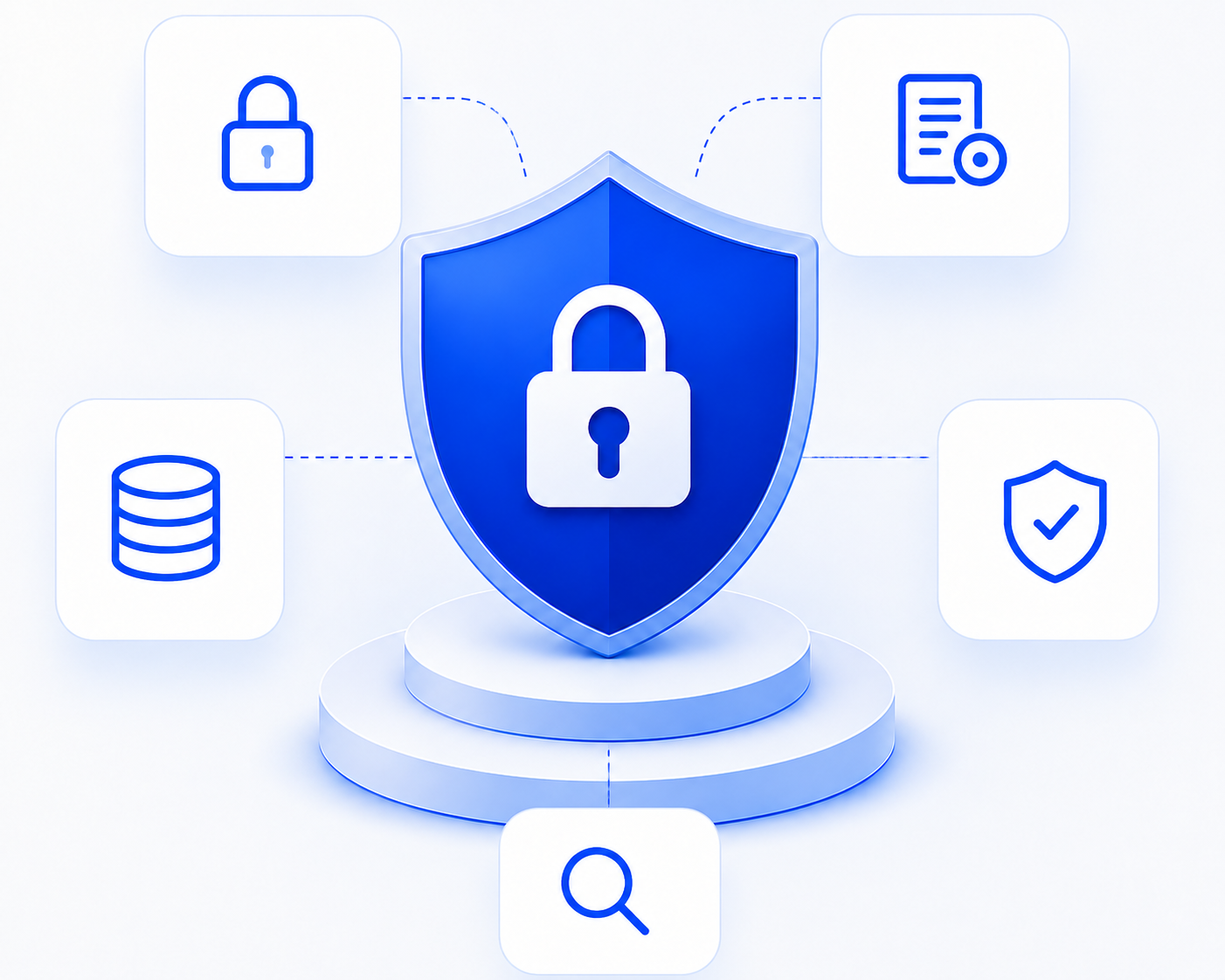
    Every modernisation project is built with GDPR, FCA regulation, NHS Digital standards, and PCI DSS (where relevant) considered from the architecture stage onward, not bolted on as an afterthought once the system is already live.
    Secure. Compliant. Trusted.

    Legacy Systems We Support

    We work with businesses running a wide range of ageing platforms, including systems most modern development teams no longer have the in-house expertise to touch:

    Mainframe systems

    • COBOL
    • JCL
    • PL/I
    • RPG-based applications

    Legacy databases

    • Informix
    • IBM DB2 (older versions)
    • Sybase
    • older Oracle instances

    Legacy programming languages

    • COBOL
    • PowerBuilder
    • Visual Basic 6
    • Delphi
    • classic ASP

    Older enterprise frameworks

    • Java J2EE
    • classic ASP.NET
    • older Struts-based applications

    Legacy ERPs and CRMs

    • customised Siebel
    • older SAP ECC instances
    • bespoke in-house ERP systems

    On-premise infrastructure

    • physical servers and data centres running end-of-life operating systems
    • unsupported middleware

    Industry-specific legacy platforms

    • core banking systems
    • policy administration systems in insurance
    • patient management systems in healthcare
    Modernisation Technology Stack

    Technologies We Modernise Into

    Once the legacy foundation is understood, we rebuild on proven, enterprise-grade modern technology, chosen based on what fits your business and future roadmap, not a fixed one-size-fits-all stack.

    Legacy Languages
    We Modernise From

    • COBOL
    • PL/SQL
    • PowerBuilder
    • Visual Basic
    • Older Java (J2EE)
    • Classic ASP.NET
    • Delphi

    Modern Application
    Frameworks

    • .NET Core
    • Java (Spring Boot)
    • Node.js
    • Python (Django/FastAPI)
    • React
    • Angular
    • Vue.js

    Cloud & Infrastructure

    • AWS
    • Microsoft Azure
    • Google Cloud Platform
    • Kubernetes
    • Docker
    • Terraform

    Data & Databases

    • PostgreSQL
    • MySQL
    • MongoDB
    • Microsoft SQL Server
    • Snowflake
    • Apache Kafka

    AI & Machine Learning

    • OpenAI & Anthropic APIs
    • TensorFlow
    • PyTorch
    • Azure AI
    • AWS Bedrock
    • Custom NLP / CV models

    DevOps & Automation

    • CI/CD (Jenkins, GitHub Actions, GitLab CI)
    • Automated Testing Frameworks
    • Infrastructure-as-Code
    • RPA Tools

    Security & Compliance Tooling

    • IAM
    • Encryption at rest & in transit
    • SOC 2 & ISO 27001 practices
    • GDPR‑compliant data handling

    We select the right combination for each project based on your existing environment, your team's familiarity with certain tools, and the long-term scalability your business needs — not based on what's trendiest.

    MODERNISATION TIMELINE

    Timeline of an AI
    Modernisation Project

    Modernisation timelines vary by scope, but most projects follow a similar phased structure.
    Here's a realistic breakdown:

    PHASE
    TYPICAL DURATION
    WHAT HAPPENS
    Technical Audit & Discovery

    2 – 4 weeks

    Mapping existing architecture, business logic, data quality, and compliance gaps

    Modernisation Roadmap

    1 – 2 weeks

    Defining phased scope, priorities, architecture decisions, and tooling

    AI-Ready Architecture Design

    2 – 6 weeks

    Designing data pipelines, cloud infrastructure, and API layers

    Build & Continuous Testing

    8 – 20 weeks
    (per phase)

    Development with functional, performance, and regression testing built in throughout

    Deployment & Handover

    1 – 3 weeks

    Staged go‑live, documentation, and internal team training

    Ongoing Support

    Continuous

    Monitoring, optimisation, and iterative AI capability expansion

    For a single, well‑scoped application, expect three to six months from audit to go‑live. For a full enterprise‑wide modernisation programme covering multiple systems, timelines commonly extend to twelve to eighteen months, delivered in phases so the business keeps operating throughout rather than waiting for one final launch date.

    The single biggest factor affecting timeline accuracy is how much undocumented business logic exists in the current system. This is exactly why we don't quote a full timeline until after the audit phase.

    Industries We Modernise

    We bring modern, AI‑ready software to sectors where legacy systems have held back innovation for too long.

    Financial Services
    Retail and E‑commerce
    Healthcare and Life Sciences
    Manufacturing and Logistics
    Public Sector

    What You Get After Modernisation

    (The tangible outcomes of your digital transformation)

    Modernisation isn't just about new technology — it's about measurable business impact. Here's what you unlock once the transformation is complete.

    Lower Running Costs

    Cutting legacy licensing fees, reducing infrastructure overhead, and shrinking the number of hours engineers spend firefighting rather than building new value.

    Faster Delivery

    Modern architecture and CI/CD pipelines mean new features ship in weeks, not quarters, because engineers aren't fighting the platform just to make a small change.

    Fewer Outages, Less Risk

    Unsupported dependencies and undocumented workarounds are the most common cause of unplanned downtime. Removing them removes a significant chunk of ongoing operational risk.

    Better Decisions, Faster

    Clean, connected data means reporting and forecasting stop being a manual chore and start being something leadership can actually rely on day-to-day.

    A Platform That Can Keep Up

    Once the underlying architecture is API-first and cloud-native, adding new AI capability later becomes a matter of integration, not another ground-up rebuild.

    A Stronger Talent Pipeline

    Modern tech stacks are simply easier to hire for. Fewer businesses find themselves competing for the last few engineers who still remember a dying programming language.

    Why Some AI Modernisation Projects Fail

    PAX

    Treating it as a pure technology project

    • Modernisation that ignores how staff actually use a system tends to produce something technically impressive and practically unusable. The people doing the daily work need to be part of the design process, not an afterthought consulted once the build is already finished.

    PAX

    Trying to do everything at once

    • Big-bang rewrites carry enormous risk. If something breaks, it tends to break everywhere at once, and rollback is often close to impossible once data has already moved. Phased delivery, however less dramatic it sounds on paper, is nearly always the safer and cheaper route.

    PAX

    Bolting AI onto bad data

    • No AI model, however capable, fixes messy or incomplete underlying data. Skipping the unglamorous work of data cleansing and structuring is the single most common reason AI initiatives stall shortly after launch.

    PAX

    Underestimating testing

    • Legacy systems accumulate years of undocumented business rules - edge cases that only surface once something breaks in production. Rigorous testing against real-world scenarios, not just the happy path, is what separates a smooth go-live from a support nightmare.

    PAX

    Picking a vendor without genuine modernisation experience

    • AI development and legacy system modernisation are different disciplines requiring different expertise. A team that's excellent at building AI products from scratch isn't automatically equipped to safely untangle twenty-year-old business-critical code, and the reverse is just as true.

    Why Businesses Choose TechGropse

    Our modernisation practice is built around a fairly simple principle: the goal isn't to impress anyone with the technology itself. It's to leave you with a system that's cheaper to run, easier to change, and genuinely ready for whatever AI capability your business needs next, this year and in five years.

    We Start With Your Business Logic, Not Just Your Code

    Understanding why a system works the way it does is what prevents modernisation projects from quietly breaking things that actually mattered.

    Phased Delivery, Not Disruption

    Your business keeps operating throughout the entire project. We don't ask you to accept downtime as the price of progress.

    Data-First Thinking

    We treat data quality as a foundational requirement for AI success, not an optional extra to sort out later.

    Compliance Built In From Day One

    GDPR, FCA requirements, and sector-specific regulation are considered from the architecture stage onward, not retrofitted at the end.

    Transparent Delivery

    You'll know what's being built, why, and what it costs before it happens, not after.

    Support That Doesn't End at Go-Live

    We stay involved to monitor, refine, and extend the system as your business needs continue to change.

    Frequently Asked Questions

    Get answers to the most common questions about AI modernisation, timelines, costs, security, and how we help businesses transform their legacy systems into modern, AI-ready platforms.

    It's the process of rebuilding older business systems - software, data, and infrastructure - so they can properly support AI, rather than adding AI features on top of an unchanged legacy system.

    A single application typically takes three to six months. A full enterprise-wide programme can run well over a year. We recommend starting with a discovery phase for a realistic timeline.

    No. Most projects modernise in phases, wrapping older components in modern APIs rather than a full rebuild from scratch.

    Not if it's planned properly. Phased delivery means your team keeps working on existing systems while the new platform is built and tested.

    Yes. Security and GDPR compliance are built in from the start, including encryption, access controls, and secure data migration.

    It depends on system size and complexity, but typically ranges from a few thousand pounds for a scoped audit to well over £100,000 for a large, full-system rebuild. We provide a full cost breakdown after the initial audit.

    Well-scoped, single-system projects tend to suit a Fixed Cost Model. Evolving or phased programmes suit Time & Material. Businesses wanting long-term strategic support often prefer a Dedicated Development Team or Team Extension Model.

    Yes. Modernisation scales - smaller businesses often start with the one or two systems causing the most cost or friction, rather than a full overhaul.

    No. Part of our job is identifying where AI genuinely adds value for your business and building that capability into the modernised system.

    It depends on your existing stack, but common targets include .NET Core, Java Spring Boot, React, and cloud platforms like AWS and Azure, paired with AI tooling such as OpenAI, Anthropic, or Azure AI, depending on the use case.

    Ready to Build Your Next Digital Product?

    Share your requirement with us and our experts will analyze it and provide an estimate of the app development cost.

    • NDA Protected
    • Free Technical Consultation
    • Quick Response Guaranteed
    Trusted By
    StarImporters Logo
    verento Logo
    StarImporters Logo
    verento Logo

    Start Your Project Discussion

      what'sApp
      Scroll to Top